

Managing leafhoppers in BC vineyards: Identification, monitoring, and control
Introduction
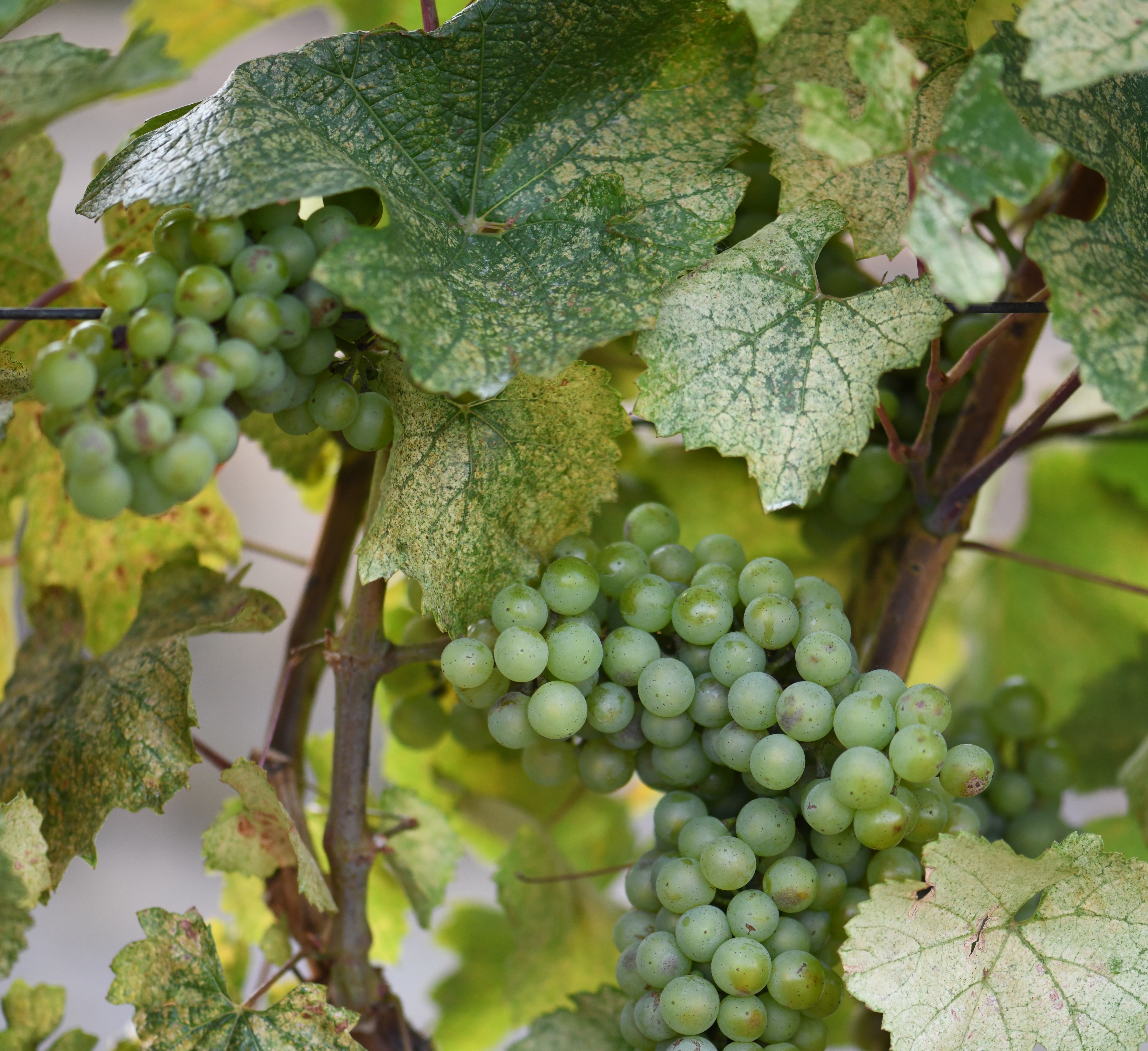
In the early 2000s, a wine grower in North Penticton noticed unusually high insect numbers that persisted despite repeated pesticide applications. Heavy infestations of leafhoppers result in damaged and dried leaves that fall prematurely, affecting the quality of fruit.
Researchers from Agriculture and Agri-Food Canada later identified the culprit as a new-to-BC species, the Western Grape Leafhopper (WGL). Today, both WGL and the Virginia Creeper Leafhopper (VCL) are established throughout the Okanagan Valley and parts of the Similkameen Valley, although they do not always appear together.
Managing these two species is a balancing act. Methods that suppress one leafhopper can unintentionally boost the other. For instance, pesticides may suppress VCL but can lead to WGL outbreaks because of resistance and the loss of ‘beneficials’ (predatory and parasitic insects) that normally keep their numbers down. These beneficials, sometimes called beneficial insects, eat or attack the life stages of pest species and help suppress their numbers.
This factsheet outlines information about leafhopper characteristics and control options to support on-farm pest management.
About this brief
This brief was prepared by Nisa Chavez and Juliana Cao from the BC Food Web team, with the help of Andrea Brauner and Tom Lowery, and is based on the following publication:
- Lowery, D.T. (2020). Best Practices Guide for Grape for BC Growers: Chapter 5.3 Insect and mite pests of grape. BC Wine Grape Council & BC Ministry of Agriculture and Food. Retrieved from https://www.grapegrowers.bc.ca/sites/default/files/resource/files/Insect
Key Findings
Leafhopper management is a balancing act, and understanding how pesticide applications and other control methods affect the presence of each leafhopper species is essential. The 3 main ways to manage leafhoppers are:
- 1. Routine monitoring and identification: Use population estimates from yellow sticky cards and field counts to guide targeted, area- and species-specific pesticide applications.
- 2. Incorporate preventative practices: Removing leaf litter in the fall and basal leaves in the spring helps significantly reduce early-season leafhopper populations.
- 3. Limit pesticide applications: Repeated pesticide use can worsen outbreaks by increasing pest resistance and removing beneficial insects that naturally control leafhoppers and other pests like mealybugs and scale.